Last Updated: November 1, 2026
Quick Summary
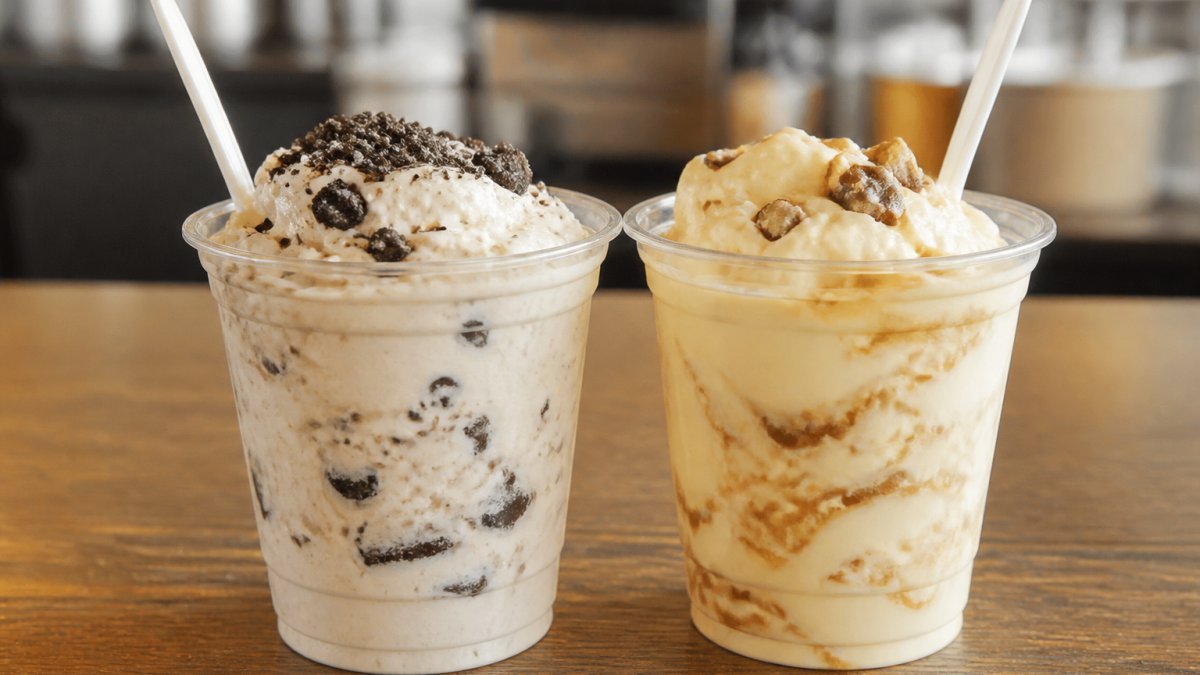
In a Freddy’s vs Ritter’s custard comparison, Freddy’s wins on richness with a dense, slow-churned base, while Ritter’s wins on variety with sweeter, slightly lighter custard and rotating specials. Neither chain offers homemade cones or on-the-spot custom flavors, so local small-batch shops beat both on customization.
- Freddy’s serves a dense, slow-churned base; Ritter’s is sweeter and slightly lighter.
- Ritter’s rotates specials while Freddy’s flavor lineup is largely fixed.
- Neither chain offers homemade cones, and both limit customization to mix-ins.
- Judge value by cup ounces, included mix-ins, and how long the custard holds shape.
- Frozen custard contains egg yolk by definition, so anyone with an egg allergy should avoid it.
Table of Contents
- Freddy’s vs Ritter’s Custard Comparison at a Glance
- Frozen Custard vs Ice Cream: What Actually Changes the Scoop
- Texture and Consistency: Dense, Smooth, and Built to Hold
- Flavor Profiles, Menu Variety, and Signature Items
- Homemade Frozen Custard Benefits for Families and Picky Eaters
- Price, Value, and Customer Service at the Counter
- How the Best Frozen Custard Chains Handle Sourcing and Dietary Needs
- Planning Your Next Custard Run in Van
- Frequently Asked Questions
Freddy’s vs Ritter’s Custard Comparison at a Glance
Freddy’s and Ritter’s both serve frozen custard, and both are generally regarded as richer than soft serve. Ritter’s is commonly described as sweeter and thinner; Freddy’s as denser and more consistent.
At Fat Guy Frozen Custard, we make homemade frozen custard with custom flavors, delicious toppings, and homemade cones. Below, we break down texture, flavor, price, sourcing, and dietary needs so you can pick with your eyes open.
| Factor | Freddy’s | Ritter’s | What It Means for You |
|---|---|---|---|
| Base style | Dense, slow-churned | Sweeter, slightly lighter | Pick Freddy’s for richness |
| Flavor variety | Largely fixed | Rotating specials | Pick Ritter’s for novelty |
| Cones | Standard | Standard | Neither is homemade |
| Customization | Limited mix-ins | Moderate mix-ins | Local shops win here |
| Best for | Concrete lovers | Sundae and shake fans | Depends on your order |
Frozen Custard vs Ice Cream: What Actually Changes the Scoop
Frozen custard is a frozen dairy dessert made with egg yolks and a higher butterfat content than standard ice cream, churned slowly to keep air out. That is the whole difference in one sentence. The FDA standards for frozen desserts set the compositional bar, and custard clears it with eggs and fat.
Why does that matter? More fat and yolk generally means a denser, creamier mouthfeel and a slower melt. For the full science, see why frozen custard is so creamy. Ice cream relies on overrun, the air whipped in during churning, to feel soft. Custard relies on richness instead.
The practical takeaway: a custard comparison is largely a comparison of fat, eggs, and air.
Texture and Consistency: Dense, Smooth, and Built to Hold
Texture is one of the most common points of comparison between chain custards. For a deeper explanation of how frozen custard differs from ice cream in texture and serving, read on.
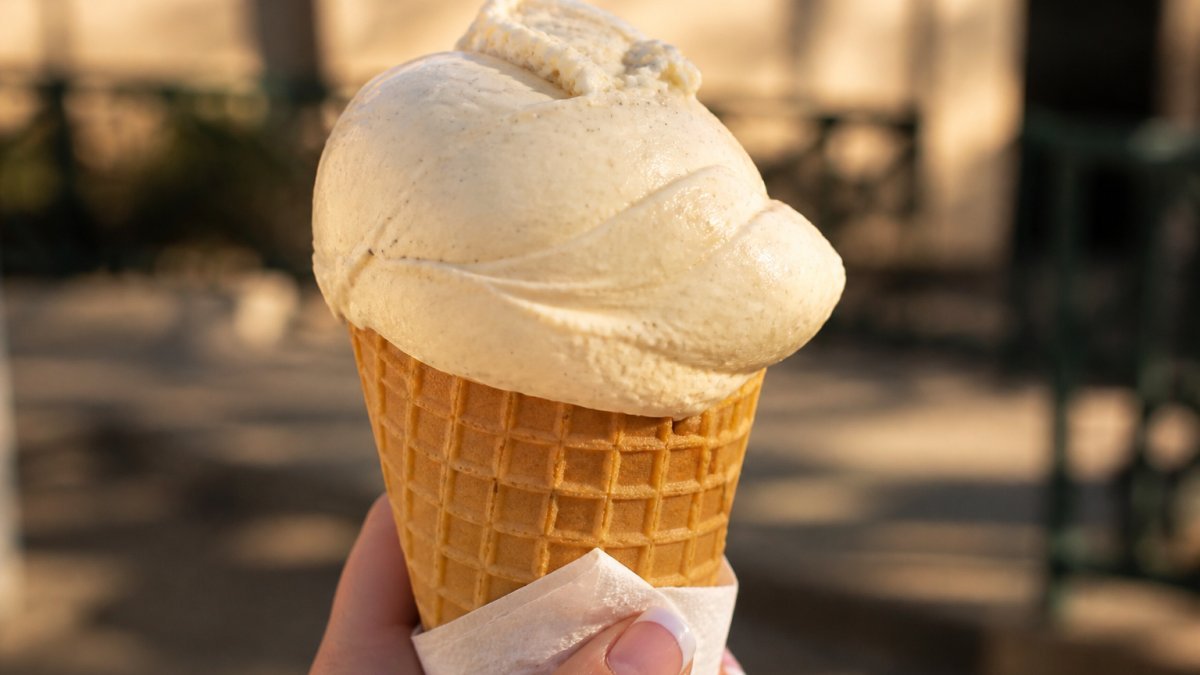
Serving temperature influences texture. Custard is often served at a slightly warmer temperature than hard ice cream so the fat coats the tongue instead of numbing it.
Flavor Profiles, Menu Variety, and Signature Items
Customization depth is where both chains cap out. Mix-ins yes, on-the-spot flavor creation no. If you are picking flavors for a table of kids with different tastes, our guide to choosing custard flavors for kids has practical shortcuts.
Homemade Frozen Custard Benefits for Families and Picky Eaters
Picky eaters can be hard to please. A shop offering custom flavors and toppings can help tailor an order to different tastes, while a fixed menu offers less flexibility.
The homemade frozen custard benefits stack up like this:
- Custom flavors and delicious toppings
- Homemade cones
Price, Value, and Customer Service at the Counter
Pricing depends on quantity, size, and date. For current prices or a quote, please visit our website. Below is a repeatable way to judge value so the sticker price is not the whole story.
The cost-per-satisfying-order method
Value in frozen custard is not dollars per scoop. It is dollars per order that actually satisfies you. Run this three-step check at either counter:
- Estimate the custard weight, not the cup size. A dense concrete packs more custard into a “small” than a lighter sundae does into a “medium.” Custard is churned with low overrun, so the same cup volume weighs more than soft serve.
- Divide the price by the number of bites that hold up. A concrete that stays thick for 10 minutes beats a cheaper sundae that turns to soup in four.
- Add the mix-in cost. Freddy’s builds concretes around included mix-ins; Ritter’s leans on sundaes and shakes where toppings and add-ons can stack up. Compare the final ticket, not the base price.
A common pattern is that a single dense concrete costs more up front but replaces a second cheap order later. That is the trade-off to weigh.
What drives the price at each chain
- Freddy’s prices around its concrete as the anchor item, with combo and size upcharges. The value case is density: you are paying for a heavier cup.
- Ritter’s prices around sundaes, shakes, and rotating specials, where toppings and seasonal flavors can move the ticket. The value case is variety.
- Local small-batch shops often price per scoop with homemade cones and custom flavors, which can read higher per item but lower per “exactly what I wanted” order.
Ask for the cup size in ounces before you order. Two shops can sell a “regular” that differs by several ounces, and that single number changes which one is the better deal.
Customer service and atmosphere
Neither model is wrong. If you want predictable, the chain wins on value. If you want personal, the local counter wins. Judge the ticket against which of those you actually came for.
A quick value scorecard
| Question | Why it matters |
|---|---|
| How many ounces in the cup? | Normalizes price across sizes |
| How many mix-ins are included? | Prevents add-on creep |
| How long does it hold shape? | Measures real satisfaction per order |
| Is the cone homemade or shipped? | Affects perceived value |
| Can staff customize on the spot? | Separates chain from local |
Run that scorecard once at each counter and you will know which one is the better deal for your family without relying on a menu board you cannot verify.
How the Best Frozen Custard Chains Handle Sourcing and Dietary Needs
Frozen custard contains eggs and dairy, which matters if you are lactose-intolerant, gluten-sensitive, or managing a food allergy. Below are general questions worth asking before you order.
The dietary reality of frozen custard
Frozen custard is defined by egg yolks and higher butterfat than standard ice cream, per the FDA standards for frozen desserts. That definition has direct consequences:
- Lactose intolerance: custard is dairy-based. Ask the shop about lactose content and whether any non-dairy option is available that day.
- Gluten sensitivity: ask about gluten content of the base, cones, and mix-ins, and about cross-contact.
- Egg allergy: custard contains egg yolk by definition, so anyone with an egg allergy should avoid it.
- Nut and other allergies: toppings and mix-ins are a common cross-contact area. Ask which scoops and spouts are shared.
Ask for allergen information before you order.
Questions that separate a careful counter from a careless one
- Which flavors share a machine or spout?
- Are toppings stored separately from mix-ins?
- Is there an allergen list available?
- Can staff change gloves and scoops on request?
- Is the cone handled separately from other items?
Sourcing and transparency
Sourcing is a common question for buyers. Consider asking:
- Is the custard base made on site or delivered?
- Is the dairy sourced regionally or from a national supplier?
- Are cones made in-house or shipped in?
- How often does the flavor lineup change?
Dietary comparison at a glance
| Need | Freddy’s | Ritter’s | What to do |
|---|---|---|---|
| Lactose-free base | Not standard | Not standard | Smaller order or lactase supplement |
| Gluten-free | Cup, not cone | Cup, not cone | Skip the cone and check mix-ins |
| Egg-free | Not available | Not available | Treat custard as off-limits |
| Written allergen list | Ask at counter | Ask at counter | Request it before ordering |
| In-house base | Typically no | Typically no | Ask; local shops usually yes |
For a deeper walkthrough, our allergen-friendly custard guide covers how to order safely, and the FDA guidance on food allergens explains why those questions matter and what disclosure rules apply.
Planning Your Next Custard Run in Van
A custard run should be easy, and the planning comes down to three things: timing, group size, and how far you are willing to drive. If you are 15 minutes outside town, the drive may be worth it for a relaxed, unhurried treat.
Call ahead for current hours and flavors, especially after a ball game when a crowd may arrive at once. Our guide to finding a local frozen custard shop can help you plan the outing.
Frequently Asked Questions
What is the main difference between frozen custard and ice cream?
Frozen custard uses egg yolks and more butterfat than standard ice cream, and it is churned slowly with less air whipped in. That combination generally creates a denser, smoother texture with a richer mouthfeel. Ice cream typically has more overrun, meaning more air, so it feels lighter on the spoon.
How does the texture of Ritter’s custard compare to Freddy’s?
Both chains serve a dense, creamy product, but the experience differs. Freddy’s custard tends to arrive firm and cold with a tight, smooth surface, while Ritter’s is known for a softer, slower-melting consistency that some customers find creamier. The gap comes down to serving temperature and how long the custard sits before it reaches you. If texture contrast matters to you, try a plain vanilla at each and compare the first three bites.
Is frozen custard healthier than traditional ice cream?
Not automatically. Custard usually has more egg yolks and butterfat, so it can carry more calories and saturated fat per scoop than light ice cream. The tradeoff is that the extra richness often satisfies with a smaller portion. If you are watching sugar or dairy, ask about allergen handling and whether smaller sizes or toppings-free options are available. Treat custard as an indulgence and size your order accordingly.
Does Freddy’s offer more flavor variety than Ritter’s?
If flavor variety drives your decision, ask each counter what flavors are currently available before you order.
The gap between a chain scoop and a fresh local one shows up in texture, customization, and how the counter treats your family. At Fat Guy Frozen Custard, we make homemade frozen custard in small batches with custom flavors, delicious toppings, and homemade cones, served in a welcoming spot in Van. If you want a dessert that bends to your group instead of the other way around, get started with Fat Guy Frozen Custard and make your next post-game run the one everyone remembers.

Leave a Reply